


The Ultimate Guide to Effective Visual Merchandising Displays
Why Visual Merchandising Is a Retail Game-Changer
In this hyper-competitive retail climate, visual merchandising strategies are not nice photos; they are cleverly aligned methods that can directly impact whether a customer buys or not. What merchandise is displayed influences the store experience, the mood, and can be the difference-maker between a customer leaving empty-handed or taking home multiple items.
Studies by Shop! The Association revealed that good visual merchandising can increase sales by as much as 30%. The rationale behind this is the fact that people read pictures 60,000 times quicker than they would text. Our minds are very fast to make decisions on quality, value, and desirability based on appearance.
No matter if you have a POSM store, chain store, or a boutique, using the proper methods of retail display can transform your store into not only somewhere to shop, but somewhere to experience your brand.
What is Visual Merchandising
Visual merchandising is the design, planning, and presentation of merchandise so as to maximize selling opportunities and create a total shopping experience. It is a combination of design, marketing, psychology, and storytelling, all combined to make a product an experience.
Whereas merchandising in general is about product mix, pricing, and stocking, visual merchandising is concerned with how the products are viewed, touched, and comprehended. For instance, a high-end candy store could put truffles on marble surfaces under dim lighting to imply sophistication and elitism, while a candy store discount could stack high, brightly coloured containers to imply fun and abundance.
The Psychology Behind Effective Visual Merchandising
Good visual merchandising practices are grounded in how the human brain naturally processes sensory information. Colours, lighting, and display influence emotions, cognition, and buying behaviours.
- Colour psychology: Warm colours (red, orange, yellow) evoke vitality and impulse buying; cool colours (blue, green) evoke calmness and trustworthiness.
- Lighting effects: For instance, new products are highlighted with spots, and LED or less intense ambient lighting to create a general atmosphere
- Layout flow: The most ideal Store layout optimization subtly pushes you in a direction, and the IKEA curved aisle suggests wandering and lingering shopping time.
- Real-world example: A boutique experienced a 15% sales increase over two months in more expensive merchandise after installing high-wattage, cool lighting above its jewellery counter. Further, the visual stimulus served to make merchandise appear high-end.
Key Elements of Visual Merchandising
Focal Points
A visible point of attraction instantly attracts focus to consumers on premier goods, whether it’s a highlight wall, a mannequin or a key display table.
Lighting
Layered lighting (ambient, accent, task) accents merchandise and builds atmosphere. Without it, even high-end products appear lacklustre.
Colour Schemes
Colours should reflect your branding and seasonal themes and arouse desired emotions.
Store Layout and Space Utilization
Plan the layout to be easy to navigate, with the use of zones to categorize and without bottlenecks. This will work in conjunction with In-store branding concepts ideas to create a seamless flow.
Product Positioning
Eye-level shelving, cross-merchandising (merchandising complementary products), and strategically placed high-margin items all raise visibility.
Signage and Messaging
Well-branded, clear signage informs, directs, and promotes.
Sensory Triggers (touch, sound, scent)
Background music, product testers, and signature fragrances enhance dwell time and emotional engagement.
Types of Visual Merchandising Displays
A. Window and Entryway Displays
Your storefront is the greeting with prospective shoppers. Entryway store presentation makes the first impression; messy or uninspired entrances can repel folks.
- Employ window display concepts such as seasonal narrative (e.g., winter wonderlands, summer vacations).
- Rotate themes to keep them current with events, holidays, or fads.
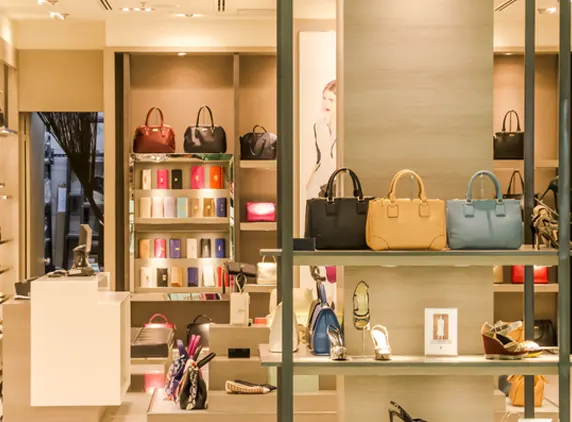
Image Source: Colateral
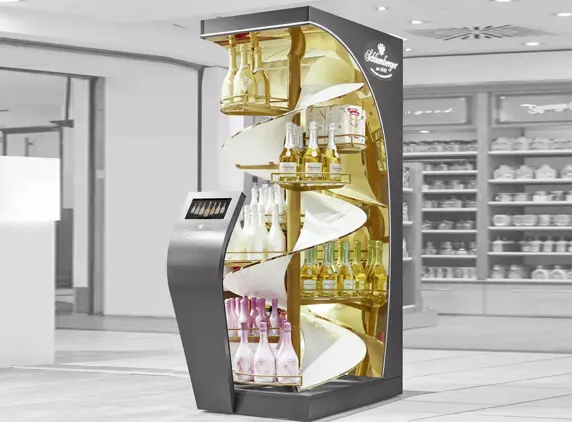
Image Source: arno.group
B. Freestanding & Point of Purchase (POP) Displays
POP displays induce impulse purchases.
- POP (Point of Purchase) merchandising can be as simple as countertop stands or as sophisticated as interactive digital kiosks.
- Freestanding display units provide flexibility to re-contour layouts.
- Gondola and dump bin setups are perfect for bulk or special purchase merchandise.
- Display tables and banner stands can frame product narratives.
C. Shelving Displays
Shelves are not only storage, they are sales vehicles.
- Shelf talkers inform.
- End caps get noticed at the ends of aisles.
- Glorifiers add a premium touch.
- Clip strips & header cards cross-sell smaller add-ons.
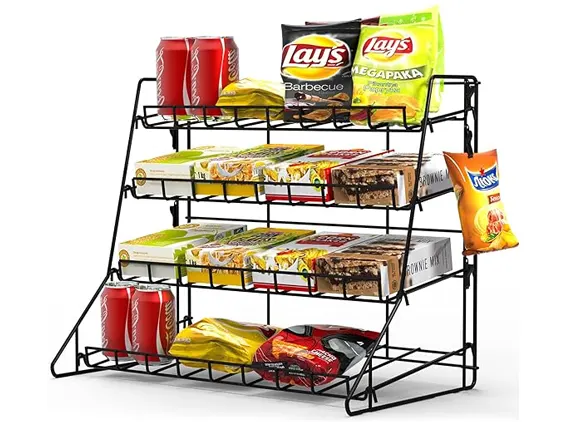
Image Source: Amazon – 4 Tier Candy Display Rack
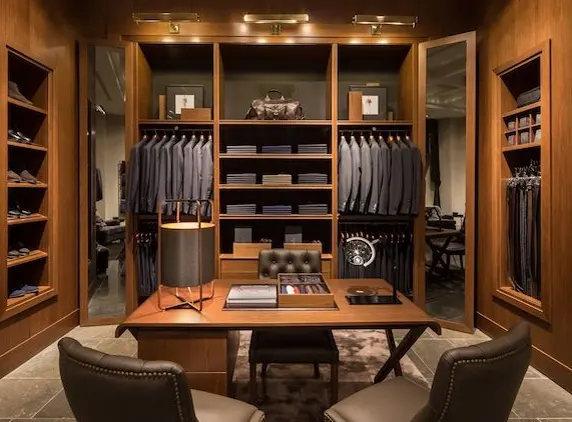
Image Source: Pinterest – Arviny Gerafic
D. Apparel and Furniture Displays
POP displays induce impulse purchases.
- Mannequins show full outfits or lifestyles.
- Garment racks enable hands-on browsing.
- Folded display arrangements keep casual wear neat.
- Interactive “try” stands (mirrors, sample chairs) encourage trial.
E. Interactive & Digital Displays
- QR codes give instant information.
- Augmented reality mirrors enable shoppers to “try” products in the virtual sense.
- Touch kiosks assist self-service.
- LED-lit shelves make merchandise stand out.
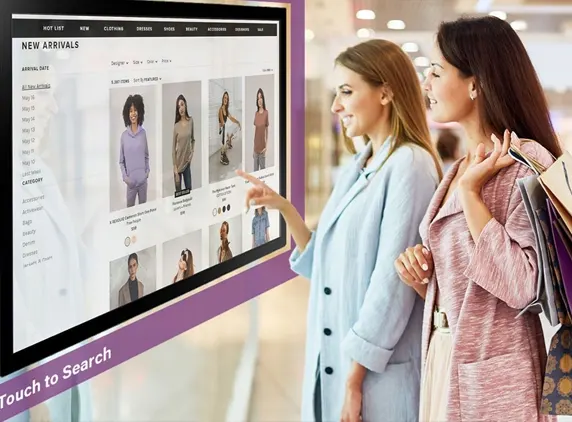
Image Source: PlaySignage
Visual Merchandising Design Principles
Balance and Symmetry
A balanced design gives a sense of order. Symmetry is ideal for formal presentations; asymmetry can be contemporary and energetic.
White Space
Provide products with breathing space to feel more high-end.
Colour Theory
Complementary colours complement; contrasting colours emphasise.
Contrast and Emphasis
Employ scale, light, and colour to make essential products pop.
Consistency and Brand Alignment
Each display should support your brand promise and theme.
Visual Merchandising Tips & Best Practices
- Engage all five senses. Diffusers of scents, music, textures, and visual elements all help.
- Change displays every 4-6 weeks to ensure freshness.
- Share stories that create an emotional connection.
- Cluster companion products to drive basket size.
- Ensure layouts are tidy for simplicity of navigation.
- Utilize “speed bumps”, i.e., tiny product islands, to impede buyers.
- Monitor sales data to gauge which displays perform.
How to Enhance Your Visual Merchandising Strategy
- Perform customer research to learn about tastes.
- Experiment with display modifications (A/B testing).
- Use planograms to manage space effectively.
- Take advantage of sales data and heat maps.
- Work with merchandising experts for customized solutions.
Typical Errors in Visual Merchandising (and How to Avoid Them)
- Product-overwhelming displays make it difficult for products to stand out.
- Not considering lighting diminishes perceived worth.
- Mixed branding confuses shoppers.
- Stale displays give stores a dated look.
- Poor traffic flow irritates consumers.
Examples of Brands Effectively Applying Visual Merchandising
- Apple: Simple layouts, high-touch product showcases.
- IKEA: Staged rooms to the fullest for inspiration.
- Zara: Regular updates aligned with fashion seasons.
- Sephora: Engaging beauty bars with a guided tour.
Selecting the Ideal Visual Merchandising Partner
What to Expect from a Display Vendor
- Experience across industries
- Custom design ability
- Quality finishes and materials
- Nationwide installation support
Advantages of Partnering with a Merchandising Professional
- Professional creative direction
- Compelling brand cohesion
- Enhanced ROI on store investment
How Brandola Can Help
Brandola provides Retail display techniques design, production, and installation. From idea to finish, we make your displays functional, brand-specific, and sales-oriented.
FAQs on Visual Merchandising
Merchandising embraces everything about selling products; visual merchandising is concerned with presentation.
Yes, even low-cost improvements such as improved lighting or themed fixtures can contribute significantly.
Every 4–6 weeks, or more frequently for seasonal retail.
Not necessarily, but training does improve skills.
Conclusion
Window display ideas and concepts to digital inclusions, each aspect of Visual Merchandising Displays cooperates to affect perception, behaviour, and sales. The most effective retailers apply visual merchandising as a continuous plan, not as a one-time exercise.
Assess your existing displays, try out new ideas, and collaborate with professionals like Brandola to bring your visual merchandising plans to life. Your store atmosphere can, and should, be one of your most powerful sales tools.