

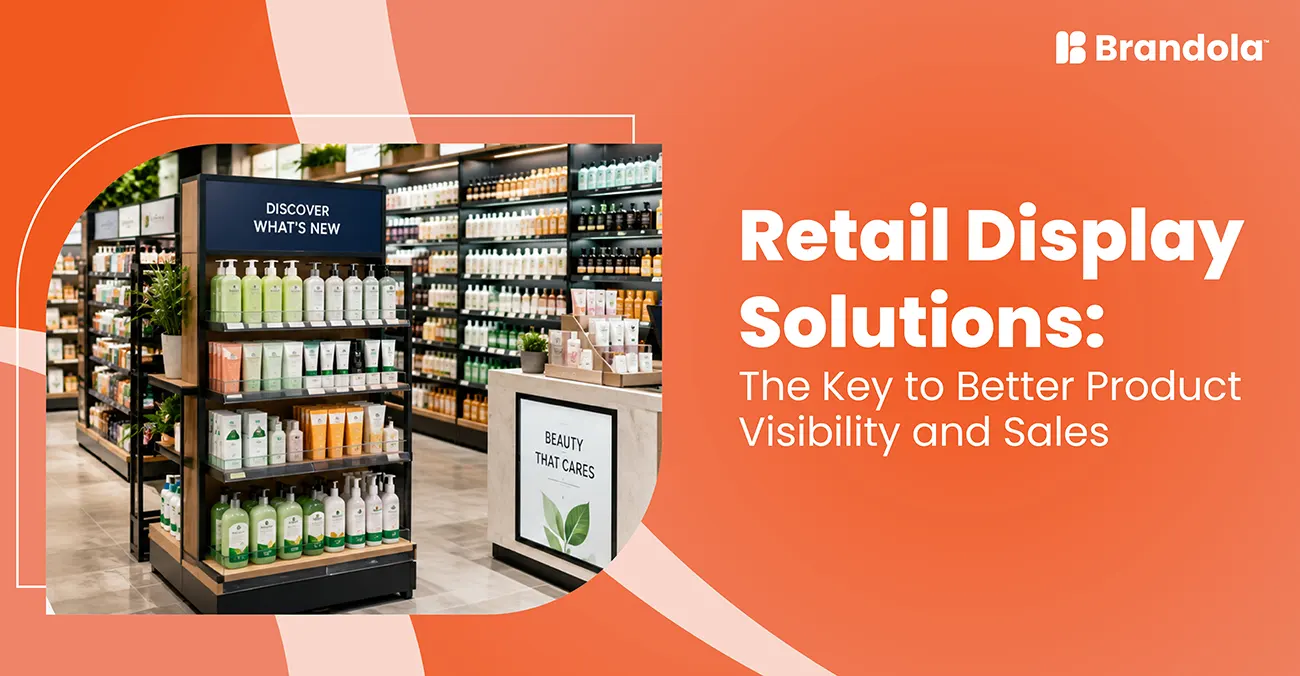

Retail Display Solutions: The Key to Better Product Visibility and Sales
Retailers have always been concerned with how they present their merchandise to customers. The competitive environment for today’s retailers is more diverse than ever; it includes both traditional brick-and-mortar stores and the virtual world.
As a result, retailers require some type of system that will enable them to create an attractive storefront, enhance the shopping experience, and ultimately encourage sales. Over the past several decades, there has been an evolution of the way merchandise was displayed in retail stores, from basic shelf systems to technologically advanced and creatively designed environments.
Today, retail display solutions (as well as other in-store promotional tools) can significantly influence consumers’ purchasing decisions and increase product exposure.
While research studies indicate that more than 70% of all consumer purchasing decisions occur within a retailer’s store, impulse buying accounts for a large portion of total retail sales. As such, strategically positioned display solutions are imperative if a retailer wishes to capture the shopper’s attention at the point when she or he is most likely to make an unplanned purchase.
What is Retail Display Solutions?
Retail display solutions are custom-made structures, fixtures, and merchandising systems specifically created to present merchandise, support a brand’s image and presence, and enhance customer shopping experiences in retail environments.
Purpose of Retail Displays in Retail Stores
Retail displays help businesses:
- Increase product visibility
- Improve store organization
- Promote offers and campaigns
- Strengthen brand presence
- Encourage customer interaction
How Retail Displays Influence Consumer Buying Decisions
Customers have an innate desire for items displayed effectively and easily accessible. The effective presentation of items creates visual stimulation, helps customers quickly locate what they want, and encourages them to make purchases.
Key Statistics
- More than 70% of buying decisions are made in-store.
- Impulse purchases contribute significantly to retail revenue.
- Products placed in high-visibility display zones often experience noticeable sales increases.
- Interactive displays generate higher engagement compared to traditional shelving.
Why Retail Display Solutions Matter in Today’s Competitive Market
Increasing Brand Visibility
The product stands out from other items in an often cluttered retail store environment and supports brand awareness when it is displayed at retail.
Enhancing Customer Experience
A well-organized and easy-to-navigate retail store will lead to better customer shopping experiences.
Driving Impulse Purchases
When strategically placed, retail displays can encourage customers to make impulse purchases which leads to higher average transaction values (basket) than they would have had without the displays.
Improving Product Organization
Product displays keep products organized, easily accessed and aesthetically pleasing.
Supporting Omnichannel Retail Strategies
Retail Displays can link in-store shopping with online shopping by using technology such as QR codes or digital displays.
Consumer Psychology Insight
Customers process visual information much faster than text. Eye-catching displays trigger curiosity and encourage product interaction, increasing the likelihood of conversion.
Key Types of Retail Display Solutions
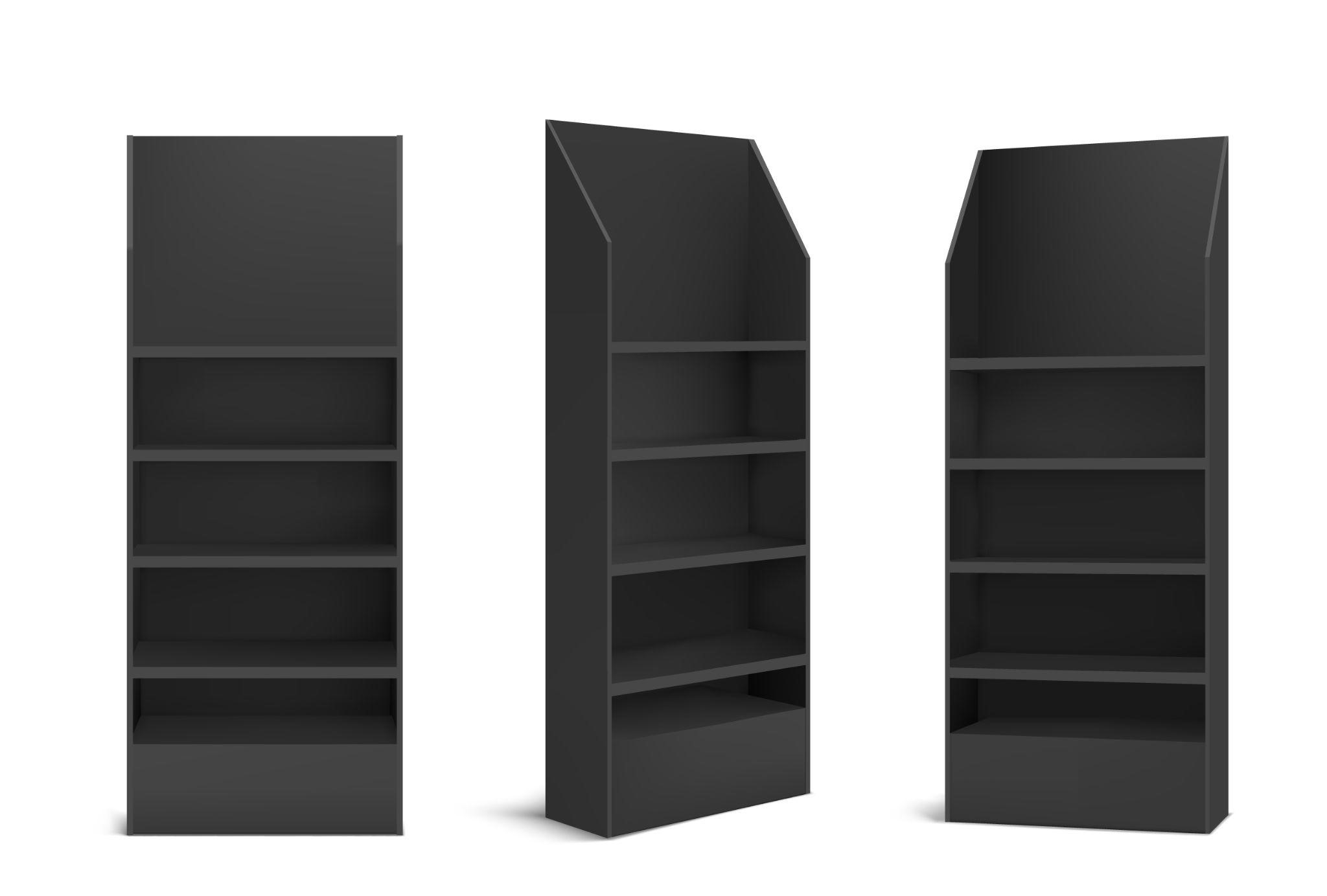
Floor Displays
Freestanding display units positioned throughout the store.
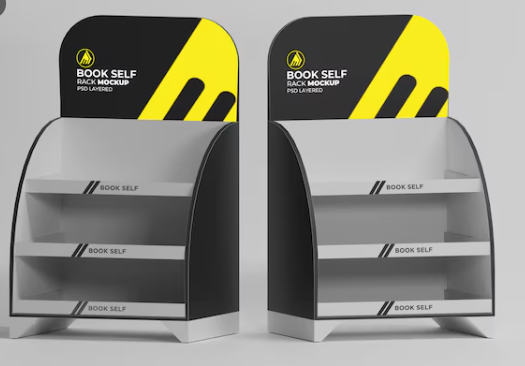
Countertop Displays
Compact units placed near checkout counters.
Point-of-Purchase (POP) Displays
Designed to influence buying decisions immediately before purchase.
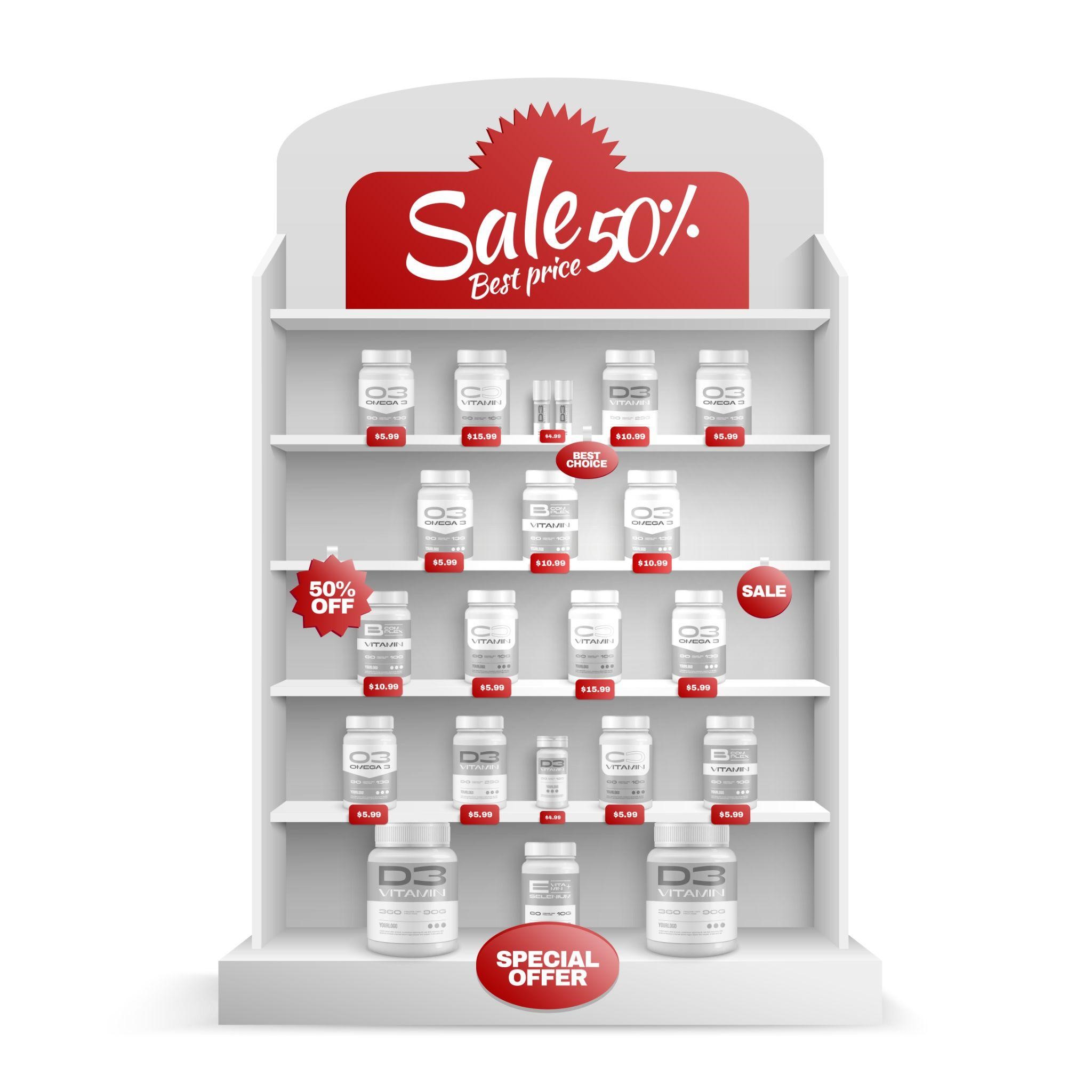
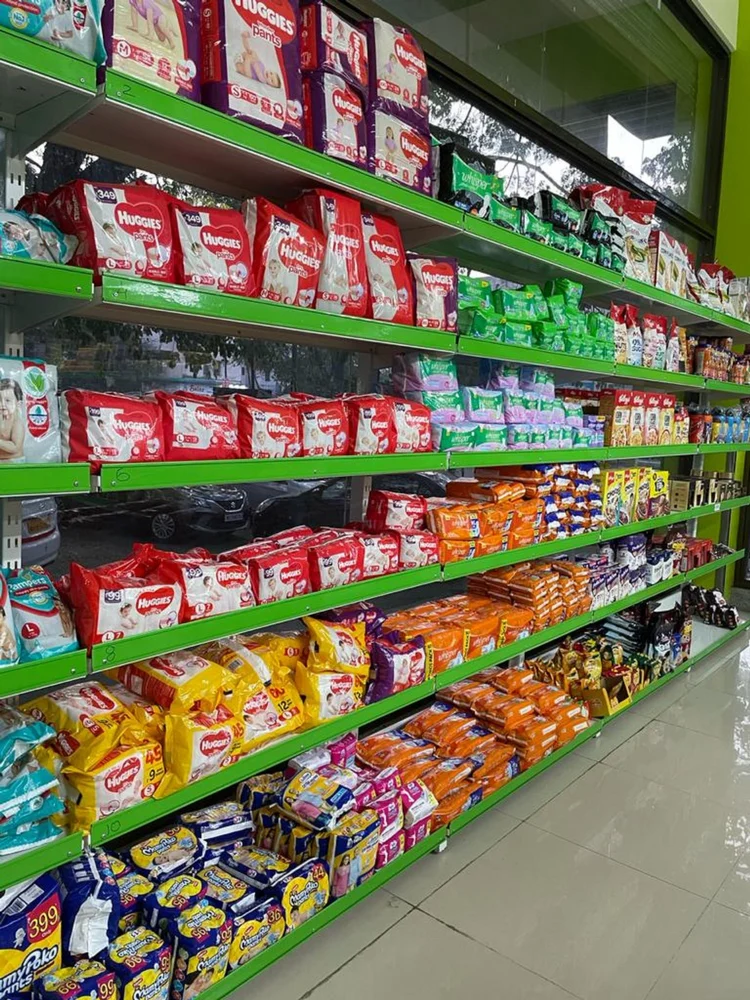
Shelf Displays
Integrated merchandising solutions that optimize shelf space.
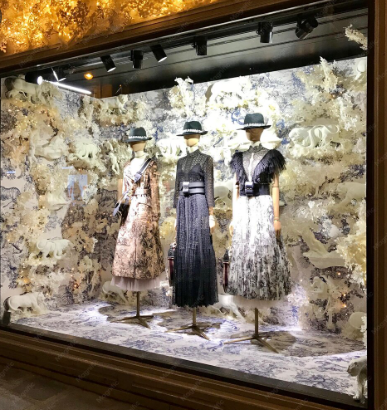
Window Displays
Storefront displays designed to attract potential customers.
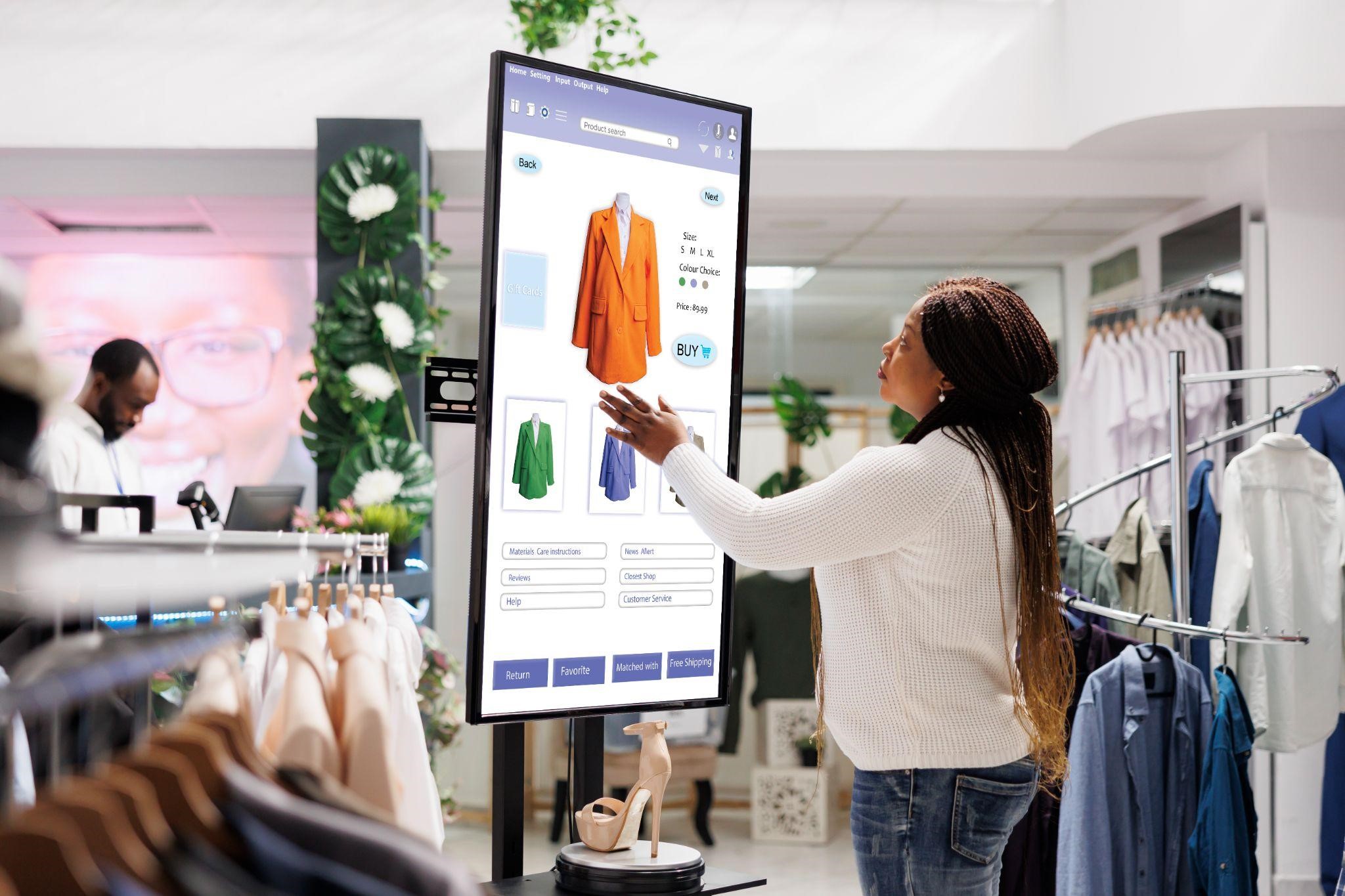
Digital & Interactive Displays
Technology-enabled display systems.
Custom Retail Displays
Tailor-made solutions designed specifically for a brand’s products and objectives.
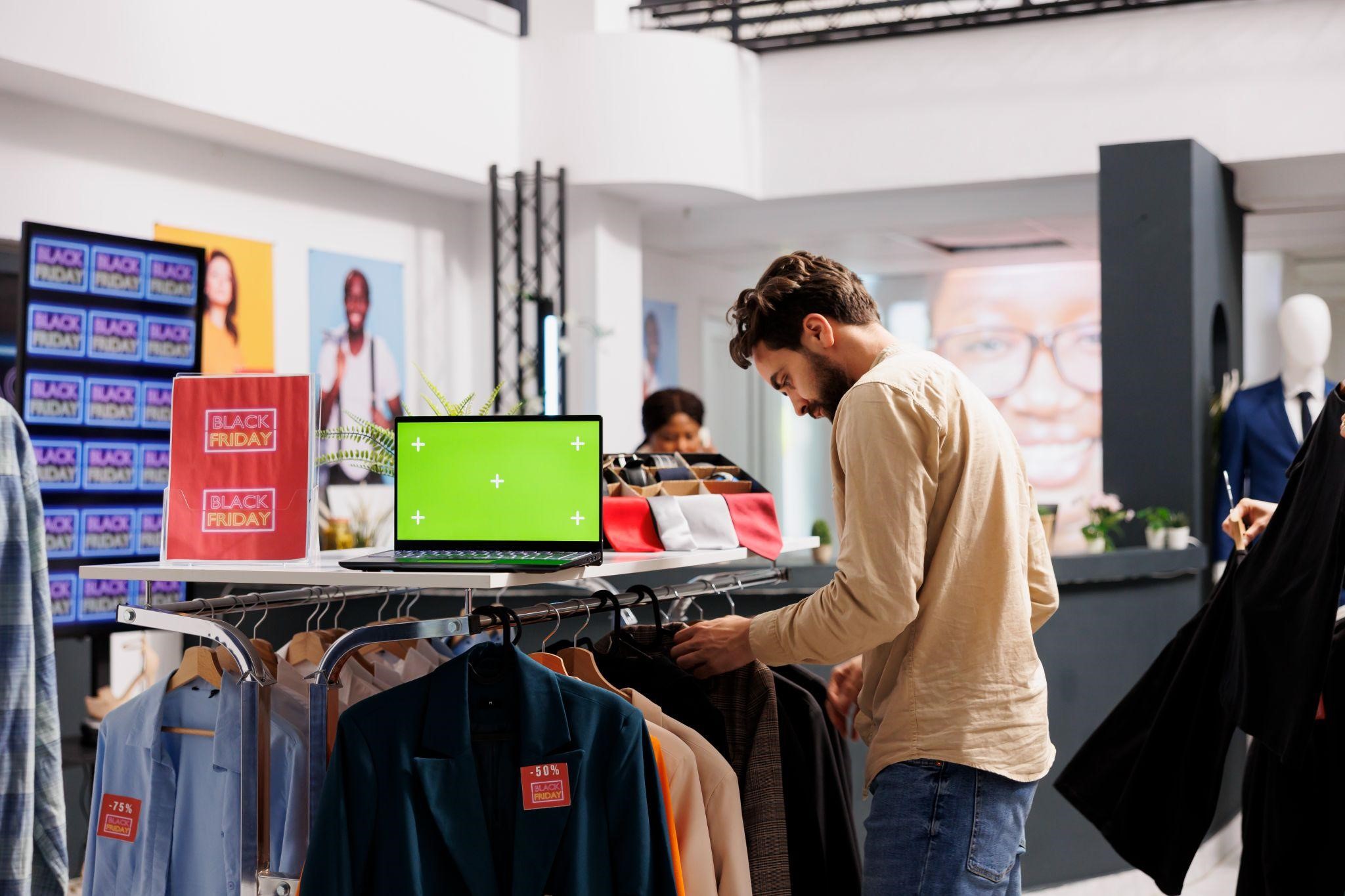
Components of an Effective Retail Display
Strategic Placement
Place your display in a high traffic area that will attract customers by nature.
Strong Visual Design
Utilize bold graphics, attractive layout and clear messaging.
Clear Branding
Brand identity (logos, color schemes etc) are maintained throughout all parts of the display.
Product Accessibility
Customer’s ability to see and touch product(s).
Lighting and Color Psychology
Proper lighting will bring out your products and can influence the buying decision.
Durability and Material Selection
The materials used for the display should hold up well through the customer interactions and usage.
Smart Retail Display Solutions: The Future of In-Store Marketing
Digital Signage
Allow retailers to be able to update their promotions and content as needed.
Interactive Touch Displays
Enable the customers to look at the product and get access to product information without having a retail employee assist them.
AI-Powered Retail Displays
AI-powered digital displays can use customer data and customer shopping behaviours to tailor the content of each display.
IoT-Enabled Smart Shelves
Monitor inventory levels and customer interactions in real time.
Data Collection and Analytics
Smart displays generate valuable insights for improving merchandising strategies.
Benefits of Smart Retail Displays
- Real-time promotions
- Higher customer engagement
- Accurate performance tracking
- Personalized shopping experiences
Retail Display Materials: Which Option Is Best?
Metal Displays
Permanent retail installations, durable & sturdy.
Wooden Displays
Luxury and lifestyle brands, premium appearance.
Acrylic Displays
Beauty, electronics, high visibility product display presentations.
Cardboard Displays
Temporary promotions, affordable.
Mixed-Material Displays
Functionality, durability & aesthetics.
How to Choose the Right Retail Display Solution for Your Business
Understand Your Product Category
Consider both customer traffic flow through your store as well as what physical space you have to work with.
Analyze Store Layout
Identify whether you are looking to drive Awareness; Engagement (e.g., Interactions) with Customers, Sales etc.
Define Marketing Objectives
Determine whether the focus is awareness, engagement, or sales.
Consider Customer Behavior
How do your customers shop and how do they see your store displays?
Evaluate Budget Requirements
Balance investment with expected returns.
Plan for Scalability
Choose technologies that have the ability to grow in size to accommodate all of your locations.
Industry-Specific Retail Display Solutions
FMCG Retail Displays
Used for volume sales and promotions.
Electronics Retail Displays
Product demos are used to promote a good relationship with customers.
Cosmetic Retail Displays
Cosmetic displays use light, color and merchandise to attract attention.
Apparel Retail Displays
The apparel display is designed to showcase a collection of clothing items that can be easily found.
Pharmacy Retail Displays
Helps to organize and provide easy access to products in the pharmacy.
Grocery Store Displays
High volume of saleable goods (e.g., milk) or special offers (e.g., seasonal produce).
Common Retail Display Mistakes That Reduce Sales
Poor Placement
The best visual will fail to achieve success in poor traffic locations.
Overcrowded Displays
When there are too many products on one display, it overwhelms the customer.
Weak Branding
A lack of consistent brand messaging creates less opportunity for customer recognition and trust.
Ignoring Customer Flow
Visuals need to be in line with how customers shop naturally.
Lack of Maintenance
Empty or damaged visual conditions cause a negative perception of your store.
Inconsistent Messaging
Customers become confused and product sales decline when there is mixed messaging.
Frequently Asked Questions About Retail Display Solutions
Retail display solutions are merchandising systems designed to improve product visibility, customer engagement, and sales performance.
Floor displays, POP displays, and end cap displays are among the most effective for driving sales.
Costs vary depending on size, materials, complexity, and customization requirements.
Common materials include metal, wood, acrylic, cardboard, and mixed-material combinations.
Yes. Digital displays offer higher engagement, real-time updates, and improved customer experiences.
They simplify navigation, improve product discovery, and create a more engaging shopping environment.
Conclusion
Retail display solutions are important for making products visible, engaging with consumers, and growing retail sales. In addition to a variety of traditional in-store displays there is also an opportunity to use some new smart merchandising technologies (that utilize artificial intelligence).
When we think about the best retailing strategies we often think of combining good design, great location selection, integrating technology, and using sustainable materials. When you choose the correct display solution for your merchandise and clientele, you will be able to establish a better consumer experience as well as build your business for years to come.
Want to improve your store or department? Work with Brandola on custom-made retail display solutions that make your products noticeable, attract your shoppers, and produce quantifiable results.