


Offline Branding: The Ultimate Guide to Building a Powerful Physical-World Presence
Branding that occurs offline are the tactics companies take to establish brand visibility and credibility via various offline physical touchpoints. Although we are in an age where digital first is the norm, consumers continue to utilize what they see, feel and physically interact with offline to develop brand trust and recognition. The integration of an offline activity into a digital ecosystem creates a tremendous amount of strength in the overall visibility of a brand.
This guide provides the most detailed reference for companies looking to develop a strong offline presence for their brand.
What Is Offline Branding?
Offline branding is the term for all of the brand-building aspects that are developed through a non-digital means (e.g., physical locations, printed materials, live events, products, etc.), as well as the ways consumers interact with brands offline.
Difference Between Offline Branding vs Offline Marketing
- Offline branding builds identity, recall, and trust.
- Offline marketing aims to drive leads, foot traffic and sales.
Branding is a long term (emotional) process, while Marketing is a shorter term (conversion based) process.
How Offline Branding Influences Recall, Trust & Reputation
Consistent offline branding helps customers:
- Recognise you instantly
- Trust your quality
- Remember you during purchase decisions
Examples from the Indian Market
India has strong offline branding success stories from Amul’s Billboards to Tanishq’s Store Experience, and Zomato’s Quirky Outdoor Ads.
Why Offline Branding Still Matters
Consumers Trust Physical Touchpoints
Research shows that customers trust what they can see, and touch (and experience) 2 – 3 times more than they do online advertisements.
Multi-Channel Presence Improves Brand Recall
The more places you have where your target audience will interact with you as a brand, the better chance there is to be remembered.
Offline Interactions Convert Faster
Face-to-face demonstrations, product trials, or even just having a conversation builds confidence immediately for customers who need it.
Helps Brands Stand Out Amid Digital Noise
As the amount of competition continues to grow online, an offline presence creates a brand’s unique identity.
Creates Memorable, Sensory Experiences
Customers can visually see your products, feel the texture, smell the scent, and connect with other humans, all things that cannot be done online.
How Offline Branding Works (Step-by-Step Framework)
1. Define Your Core Brand Identity
First create messaging, personality, color scheme, tone of voice and brand values.
2. Map Customer Touchpoints
From store entrance to event to packaging — outline all the non-digital customer interactions.
3. Choose the Right Offline Branding Channels
Select offline branding channels based upon your budget, geographical area and target market.
4. Sync Offline → Online with Consistent Assets
Use consistent brand colors, tone, QR code, and landing page across all media.
5. Measure Result
Evaluate results using QR scan data, foot traffic counters, discount code redemption, survey response rates and phone call tracking.
Offline Branding Channels & Strategies (Complete List)
1. Business Cards (Modern Best Practices)
- QR-enabled smart cards
- Vertical or mini-fold formats
- NFC-enabled tappable cards
2. Flyers, Brochures, and Pamphlets
Tips to Increase Retention & Response: Minimalist designs, scannable offers, and hyperlocal distribution work best.
3. Print Media Advertising
Newspapers, Magazines, Local Publications : Use newspapers for mass reach, magazines for niche credibility, and local publications for geo-targeting.
4. Outdoor Advertising / OOH
Billboards, Transit Ads, Wall Murals, Digital OOH : Pick high-traffic areas, use bold visuals, and experiment with 3D creative formats.
5. Event-Based Branding
Trade Shows, Exhibitions, Pop-Up Stalls
Branded Booth Design Tips: Use lighting, demos, and product sampling.
How to Capture Leads Offline: Use QR codes, NFC forms, and short surveys.
6. Community & CSR-Based Branding
Sponsorships, Local Events, Social Causes: Building goodwill creates long-term brand equity.
7. Promotional Products & Merchandise
High-retention items: Eco-friendly, reusable, or tech-enabled goodies (USB cards, bamboo bottles, etc.).
8. Direct Mail & Printed Catalogs
Designing mailers that don’t get thrown away
Use storytelling formats and personalized printing.
9. Networking & Relationship-Building Activities
Conferences, Meetups
Keep messaging crisp and value-driven.
Crafting a Winning Offline Pitch
Use a 20-second intro pitch.
10. Offline PR & Media Outreach
Press Releases, Interviews, Radio/TV Mentions
Local publications offer strong trust in India.
Expert Columns
Great for thought leadership.
11. Guerrilla Marketing
Street Art, Flash Promotions, Stunts
Creative, surprising formats generate viral buzz.
12. Retail & In-Store Branding
Signage, Layouts, Shelf Branding
Point-of-Sale Materials
Interactive demos and sensory setups work best.
13. Workshops, Seminars & Educational Events
Becoming a Perceived Expert
High-Conversion Formats
Small-group workshops convert best due to personal interaction.
14. Local Collaborations & Cross-Promotions
Partner with Non-Competing Brands
Co-Sponsored Promotions
Ideal for shared audiences.
15. Offline Referral & Loyalty Programs
Printed Cards
Referral Vouchers
Offline rewards increase repeat visits.
Integrating Offline Branding with Online Marketing (Omnichannel Strategy)
Use QR Codes
Link to websites, forms, offers, or videos.
Use NFC, UPI & Digital Landing Pages
Make interactions instant and frictionless.
Retargeting Offline Visitors
Build audiences using QR landing pages and online behavior.
Use Social Media to Amplify Offline Campaigns
Turn events, booths, and OOH installations into social content.
Offline → Online Conversion Examples
- Flyers → QR landing page → WhatsApp
- Booth visit → NFC card → CRM form
- Billboard → UPI handle → instant transaction
Cost of Offline Branding (Budget Tiers)
Low-Budget (₹0–₹5,000)
Flyers, local networking, posters, referral cards.
Mid-Budget (₹5,000–₹50,000)
Booths, banners, merchandise, print ads.
High-Budget (₹50,000+)
OOH billboards, large events, retail branding setups.
Measuring Offline Branding Success
- QR Scan Data
- Coupon Redemptions
- Surveys & NPS
- Manual Footfall Counters
- Lead-to-Customer Conversion
- Brand Recall Studies
Unique Offline Branding Examples (Real-World Inspirations)
Pop-Up Micro-Experiences
Small experiential zones in malls or markets.
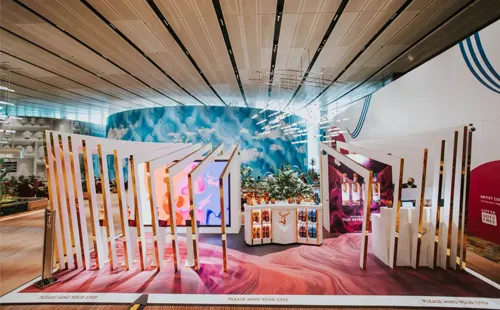
Image Source: dfnionline.com
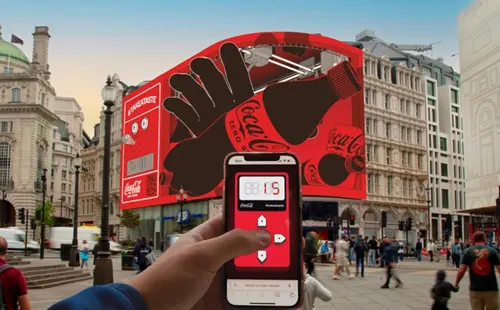
Image Source: econsultancy.com
AR-Inspired Offline Activations
AR mirrors, virtual try-ons, or gamified booths.
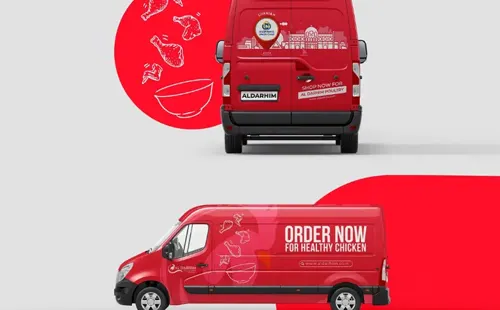
Image Source: logopeople.in
Object-Based Branding
Branded vehicles, uniforms, packaging art.
Influence-Through-Community Micro-Events
Local meetups, skill-sharing workshops, community giveaways.
Common Mistakes in Offline Branding & How to Avoid Them
- Inconsistent design across touchpoints
- No tracking or QR integration
- Poor placement decisions
- Weak messaging
- Not linking offline → online
Offline Branding Checklist (Downloadable Style)
- Assets: logos, templates, business cards
- Materials: brochures, posters, stands
- Messaging: taglines, benefits, offers
- Measurement: QR, counters, surveys
- Distribution: events, OOH, retail
Best Offline Branding Tools & Resources
- Design tools (Canva, Illustrator)
- Printing platforms (local printers, online printers)
- Event tools (stall setups, POSM kits)
- Measurement tools (QR generators, lead trackers)
Final Thoughts: Is Offline Branding Worth It?
Even in a world of a multitude of digital options, offline branding remains the top method to build both trust and credibility. Brands that are able to combine offline branding with online reach will likely be the brands to watch.
Frequently Asked Questions
Yes, it builds strong local trust and repeat business.
Flyers, networking, and referral cards.
Use QR codes, coupon codes, and surveys.
To answer this question, you need to determine which of these two areas of the market your target customers are interacting with the most, then you can expand into the other area of the market.
Offline branding is building brand perception through physical interaction (touchpoints).
Traditional marketing done outside digital platforms.
An offline marketing agency is a company that will execute your branding and marketing efforts in the real world (through physical channels).
Use flyers, events, OOH, merchandise, networking, and community campaigns.
This rule states that a shopper has three (3) seconds to visually stop and look at your brand, seven (7) seconds to capture their attention, and twenty-seven (27) seconds to provide them with a clear understanding of your brand message.
The four levels of brand awareness are:
- Unaware
- Recognition
- Recall
- Top-of-Mind
We at Brandola are happy to provide you with personalized insight into your branding needs, and a custom audit for your in-store branding; also, we will help you find a solution to take it to the next level.
Get a Free Consultation & Quote
Ready to light up your brand? Connect with Brandola today.
Let your business glow brighter with a custom glow sign board from Brandola.