

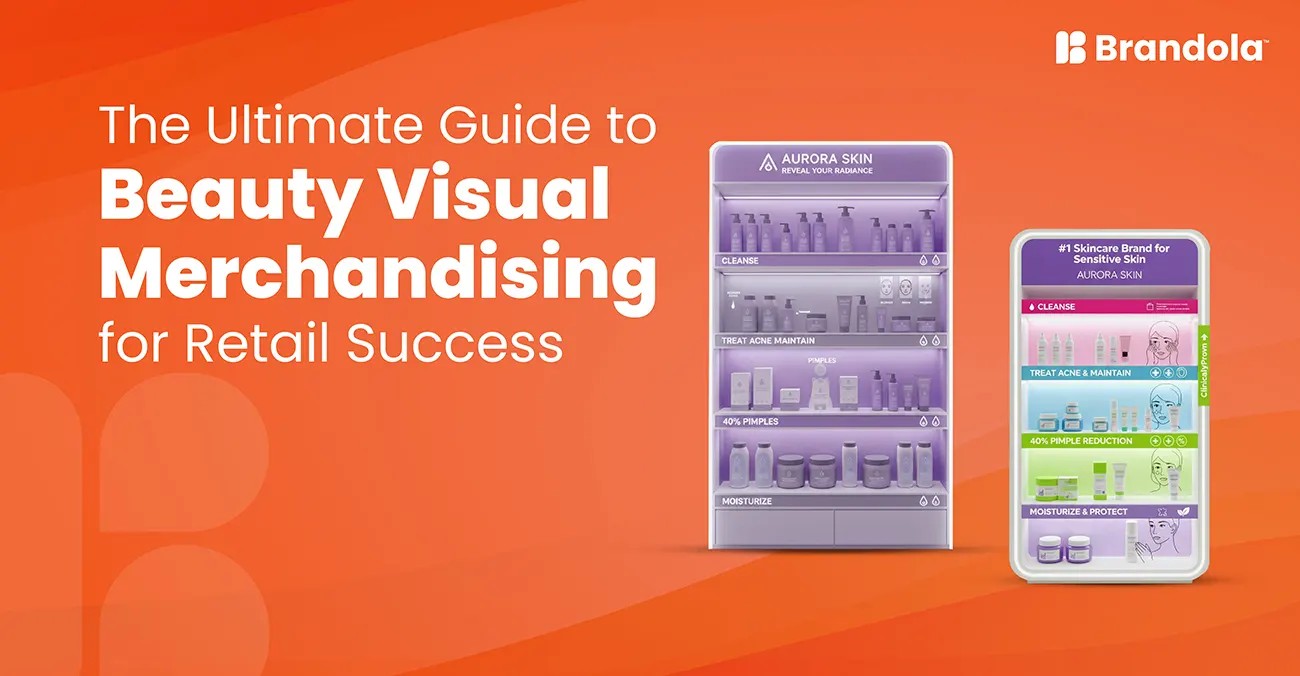

The Ultimate Guide to Beauty Visual Merchandising for Retail Success
What is Beauty Visual Merchandising?
Beauty Visual Merchandising is an Art/Science for creating the right retail environment (Store Design) and Product Display in a store in order to enhance the Customer Experience and Drive Sales in Beauty Stores. Beauty Visual Merchandising is an important element that affects the rate at which customers make a decision to make a purchase with your company, how many items they put into the cart and how much they will pay for those items. Ultimately, Beauty Visual Merchandising is about creating value for your company through a shopper’s experience. There are four primary components of successful visual merchandising within the beauty retail environment. These include; a thoughtfully designed store layout, impactful use of light, effective planogram structure and a thorough understanding of shopper psychology. Today, the evolution of beauty retail has led to innovative trends including but not limited to: AI-driven display systems, green/sustainable design practices, and highly personalized shopping experiences. All of these trends have transformed the way retailers create engaging in-store customer experiences and thus have increased the importance and impact of visual merchandising.
Differences between:
Visual Merchandising VS Retail Merchandising
Retail Merchandising = Product Assortment/Pricing, Visual Merchandising = Presentation/Experience
Visual Merchandising VS Inventory Management
Inventory Management = Stock Availability/Movement of Products; Visual Merchandising = How the Products are Displayed
Also Read our blog
Visual Merchandising Methods: The Ultimate Guide to Boost Retail Sales
Role of Visual Merchandising in Modern Beauty Retail
Visual Merchandising links Offline Shopping Experiences to Digital Expectations and ultimately influences In-Store Purchases as well as Online Engagement, as customers expect the same level of quality from their Online shopping experience as they do in a Physical Store.
Why Visual Merchandising Matters in Beauty Retail
Effective visual merchandising plays a crucial role in the success of beauty retail by influencing customer behavior at every stage of the shopping journey. A well-designed display has the power to transform casual browsers into committed buyers, directly improving the footfall-to-conversion ratio. Beyond just driving initial purchases, strategic product grouping encourages customers to explore complementary items, naturally increasing the average basket size through upselling. Perhaps most importantly, the way products are presented shapes how shoppers perceive a brand a clean, thoughtfully arranged layout signals luxury and builds trust, while a cluttered display can undermine even the most premium product range.
Real-World Contrast:
- Luxury brands use minimal displays, premium lighting, and spacing
- Mass brands focus on accessibility, volume, and promotional signage
How to Create a High-Converting Cosmetics Display
Creating a high-converting cosmetics display starts with understanding your target audience. Analyze factors such as age, beauty preferences, purchasing habits, and spending behavior to design a display that resonates with shoppers. Once you know your audience, segment products into clearly defined categories such as skincare, makeup, and haircare. Organized product zones make it easier for customers to navigate the store and find what they need, improving their overall shopping experience.
Using planograms effectively is another essential step in cosmetics visual merchandising. Planograms help maintain consistency across displays, ensure products are placed strategically, and maximize shelf space utilization. To capture attention, create strong focal points that highlight new product launches, bestsellers, seasonal collections, or hero products. These visual anchors naturally draw customers toward key items and increase the likelihood of purchase.
Adding testers and experiential zones can significantly boost customer engagement. Allowing shoppers to try products before buying helps build trust, reduces hesitation, and increases confidence in their purchasing decisions. Finally, optimize signage and pricing visibility throughout the display. Clear product information, promotional messages, and easy-to-read pricing help customers make faster buying decisions while enhancing the overall retail experience. Together, these strategies create an attractive, customer-focused cosmetics display that drives higher conversions and sales
Advanced Beauty Merchandising Techniques
Micromerchandising for Hyperlocal Stores
Customize product assortments based on local preferences and demographics
Cross-Merchandising for Upselling
Example:
- Cleanser + Toner + Moisturizer = Routine bundle selling
Sensory Merchandising
- Fragrance testers
- Texture experiences
- Digital mirrors
Seasonal & Campaign-Based Displays
- Diwali gifting kits
- Wedding season beauty bundles
- Festive color themes
Optimizing Retail Space for Beauty Stores
- Shelf Space Allocation
- Assign more space to high-performing categories
- High-Density vs Premium Spacing
- Mass stores = dense displays
- Luxury stores = minimal spacing
Zoning Strategies:
- New Arrivals
- Bestsellers
- Premium/Luxury
What is a Planogram?
A planogram is a visual blueprint that defines where and how products should be placed on retail shelves. It provides a range of key benefits: ensuring consistency across store locations, improving inventory turnover, and enabling data-driven decision-making when it comes to product placement and space management.
Technology & AI in Beauty Visual Merchandising
- AI-Based Shelf Optimization
- Predicts the best product placement
- Smart Mirrors & AR Try-Ons
- Enhances trial experience
- Retail Analytics Tools
- Track customer behavior
- Automation in Merchandising
- Real-time display updates
Common Challenges in Beauty Merchandising
Stock Shortages
One of the biggest challenges in beauty merchandising is stock shortages, which can lead to missed sales opportunities and customer dissatisfaction. When popular products are unavailable, shoppers may switch to competitors. To prevent this, retailers should use accurate demand forecasting and inventory synchronization systems that monitor stock levels in real time and ensure timely replenishment across all sales channels.
Overstock & Dead Inventory
Excess inventory and slow-moving products can occupy valuable shelf space and reduce profitability. Overstocking often results in markdowns, waste, and increased storage costs. Retailers can address this issue by implementing dynamic product displays, seasonal promotions, bundle offers, and targeted discounts to encourage sales and keep inventory moving efficiently.
Inconsistent Store Layouts
Maintaining a consistent shopping experience across multiple locations can be challenging when store layouts vary. Inconsistent product placement can confuse customers and weaken brand identity. Using centralized planograms helps standardize shelf arrangements, product positioning, and visual merchandising guidelines, ensuring a cohesive and recognizable brand experience in every store.
Poor Customer Engagement
Beauty products often require customers to see, touch, or test them before making a purchase. A lack of engagement can reduce interest and conversion rates. Retailers can improve customer interaction by incorporating interactive displays, digital screens, product demonstrations, and tester stations that allow shoppers to explore products and make more informed buying decisions.
Latest Trends in Beauty Visual Merchandising (2026)
- Sustainability & Eco-Friendly Displays
- Recyclable fixtures and refill stations
- Minimalist Luxury Layouts
- Clean, clutter-free spaces
- Personalization In-Store
- Tailored product recommendations
- Phygital Retail
- Seamless integration of online and offline experiences
Beauty Visual Merchandising for Different Store Formats
Large Retail Chains
In large retail chains, beauty visual merchandising focuses on maintaining standardized layouts across multiple locations to ensure a consistent brand experience. These stores often use data-driven merchandising strategies, analyzing customer behavior and sales trends to determine product placement, promotional displays, and category organization. Well-structured displays help shoppers easily navigate the store while maximizing product visibility and sales.
Independent Beauty Stores
Independent beauty stores have greater flexibility in their visual merchandising approach, allowing them to create unique and creative displays that reflect their brand identity. These stores often focus on delivering a personalized customer experience through customized product arrangements, themed displays, and interactive product demonstrations. This flexibility helps build stronger customer connections and encourages repeat visits.
Pharmacies & Health Stores
Beauty visual merchandising in pharmacies and health stores is typically more functional and organized. Displays are designed to help customers quickly find skincare, personal care, and wellness products. Clear signage, logical product categorization, and informative displays play a key role in guiding purchasing decisions while emphasizing product benefits and health-focused solutions.
Pop-up Stores & Kiosks
Pop-up stores and kiosks rely on high-impact visual merchandising to capture customer attention within a limited space. Compact yet attractive displays highlight hero products and bestsellers, making them the focal point of the shopping experience. Strategic lighting, bold branding, and eye-catching product arrangements help maximize engagement and drive impulse purchases in these temporary retail environments.
Checklist: How to Evaluate Your Beauty Store Display
- Layout efficiency
- Product visibility
- Shopper flow
- Conversion hotspots
FAQ – Beauty Visual Merchandising
It refers to the strategic display and promotion of beauty products to drive sales.
By combining layout planning, lighting, product grouping, and customer psychology.
They ensure consistency, efficiency, and better product visibility.
They design and manage store displays, layouts, and product placements.
It improves visibility, engagement, and purchase decision-making.
Conclusion: Building a Future-Ready Beauty Merchandising Strategy
Ultimately, Beauty Visual Merchandising is all about creating a highly converting experience in the store’s physical space for the consumer. Therefore, brands need to use effective combinations of smart VM layout design, shopper psychology and data-driven planograms along with consistent and successful on-ground executions. This is where partners like Brandola add value by assisting in delivering solutions through merchandising strategies across various retail formats, thereby increasing brand visibility, shopper engagement, and ultimately sales.