

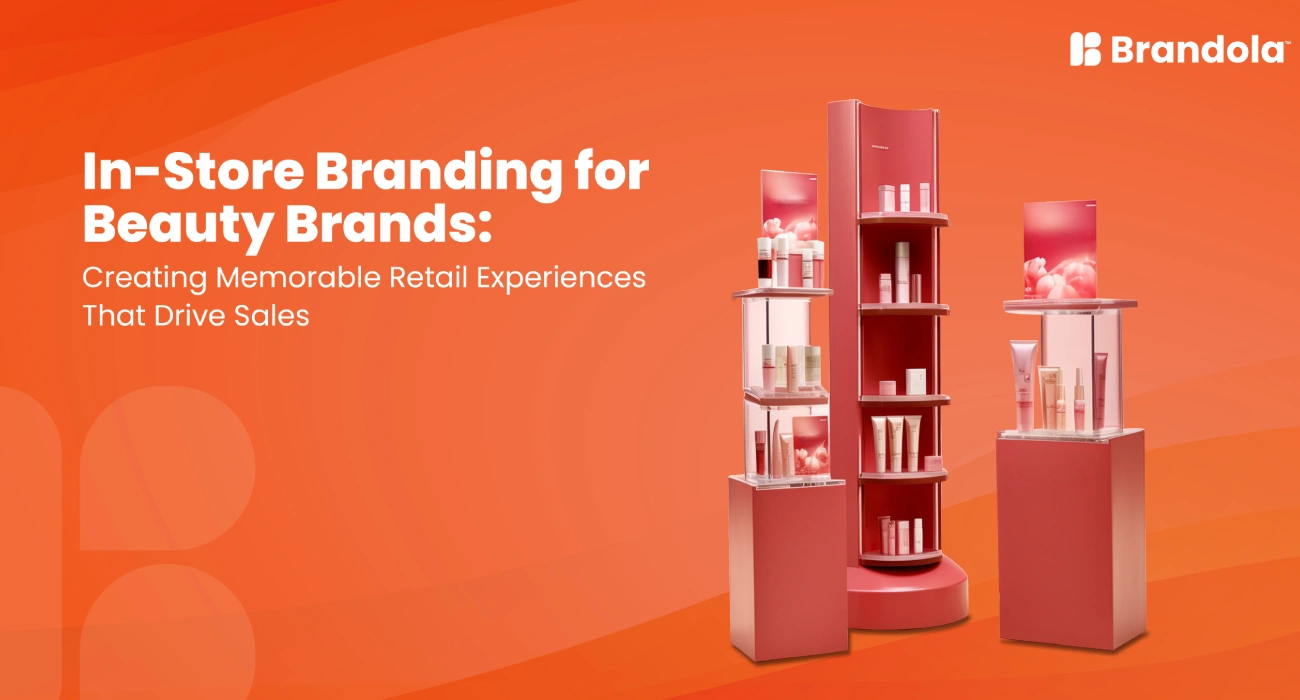

In-Store Branding for Beauty Brands: Complete Guide with Definition, Strategies & Examples
In-store branding encompasses all aspects of how a physical retail location (design/layout/overall look) represents and communicates a brand’s identity. The difference here versus traditional or general branding is that in-store branding is experiential. Traditional branding focuses primarily on the logo, packaging, etc. In contrast, in-store branding is focused on how you interact with it and see it while shopping (lighting, displays, music/scent). For Beauty Brands specifically, in-store branding is crucial as many consumers will test the product themselves prior to purchasing.
Why In-Store Branding Matters for Beauty Brands
A store with great design will do much more than just be visually pleasing – it will help drive your business’s success.
- Builds customer loyalty: An attractive environment keeps customers there longer.
- Facilitates product exploration: The layout of a beauty brand can encourage the customer to browse (and potentially buy on impulse)
- Increases touch: To test products, customers need to physically interact; therefore, stores for beauty brands need to have this capability.
In addition to creating successful retail spaces, Brandola uses in-store branding to create retail environments which serve as “conversion centres”, converting potential buyers into actual customers, instead of simply being “sales environments”.
Core Elements of Beauty Brand Store Design
Visual Identity and Aesthetics
Your store should visually represent your brand identity.
- A logo that is prominent so consumers instantly recognize your store
- Using a consistent color scheme and font style
- The visual look/feel of the in-store experience matches as closely as possible your online experience
Divergence from your digital branding to your physical branding will likely cause consumer confusion and reduce your ability to create brand awareness.
Product Display and Merchandising
The way you display your product(s), greatly impacts on how many sales you have.
- Interactive displays allow consumers to explore and learn about the products they want to buy
- Sampling testers (e.g. perfumes, lipstick, skin care samples) help consumers decide if they want to purchase an item
- Merchandise for current seasons helps keep stores “current” or relevant
In addition to creating a great shopping environment by using well-organized displays, they also provide a method of making it easy for customers to shop at your location by allowing them to find what they are looking for.
Sensory Branding
Beauty retail is sensory-driven by nature.
- Lighting: lights showcase products and set the mood in stores
- Scent: Enhances brand recognition and emotional connection
- Music: Impacts shopping pace and behavior
Global retailers often use signature scents to create a unique identity for their store that will be remembered long after they leave the store.
Experiential Zones
Modern day beauty stores are now much more than just a place to buy. Today’s consumer expects an experience when shopping.
- Real-time product trials at makeover stations
- Personalized product recommendations using a skin assessment tool
- Tutorials and consultations at demo bars
The above zones provide opportunities for customers to have deeper interactions with your brand, which can result in both trust and purchase intention.
Creating an Effective In-Store Branding Strategy
Step 1: Define Your Brand and Target Audience
Begin by defining who you are to your customers. The two key questions that will help guide all aspects of your retail store’s design include:
- Who is my customer? (Gen Z, professional, luxury buyer)
- What does my brand represent? (Clean Beauty, Premium, Affordable)
These definitions need to be reflected in every aspect of the customer’s interaction with your store, from how they enter through each touch point during their visit.
Step 2: Design the Customer Journey
Next, create a “Customer Journey” within your retail space. Think about creating an experiential journey for your customers rather than simply a transactional one. A typical retail store can be broken down into three areas of the store:
- Store Entrance: Customers’ first impression of the store and the Hero Products of your brand.
- Middle Store: Where customers explore and discover new products and brands.
- Checkout Area: Final opportunity to engage with customers and offer opportunities to increase sales via upsells.
The strategic placement of Interactive Elements throughout the store will ensure a seamless and engaging customer journey.
Step 3: Integrate Technology
Beginning with technology will allow you to use technology as a way to make your customers’ experience as personalized and convenient as possible. Examples of this include:
- Augmented reality (AR) mirrors that offer a virtual try-on before making an actual purchase
- Skin analysis apps that provide product recommendations based on the customer’s skin type and concerns
- QR code links to videos or written reviews about products
Step 4: Create Memorable Touchpoints
In addition, these technologies bring together the in-store shopping experience with the online shopping experience. The next step is to create memorable touchpoints at each stage of the customer’s in-store experience so that they become loyal advocates for your brand. An example of creating memorable touchpoints includes:
- Unique designs for packaging displays
- Engaging tester stations
- Sign up opportunities for loyalty programs
Marketing and Promotion Through In-Store Branding
Omnichannel Experience
The experience that customers have while shopping is no longer limited to the physical environment of the shop alone. Modern day shoppers want an experience across multiple mediums, including in-shop experiences as well as through digital means.
Examples of this include:
- Click & Collect Services (i.e. Buy Online Pick-Up in Store)
- The creation of Instagrammable moments within each location
- One unified rewards program for all channels
All of these contribute to the development of trust with a consumer and ultimately will improve their overall level of satisfaction.
Influencer and Community Activation
Influencers also offer opportunities to increase interest and drive traffic to locations.
Examples of how brands may use influencer marketing to increase awareness include:
- Hosting an event at one of your locations
- Partnering with Beauty Influencers/Creators
- Encouraging users to post images/videos about your products/services
Both the increased awareness and credibility from partnering with influencers will help you build your brand’s reputation and exposure.
Storytelling Through Space
The store tells your brand’s visual story
- Reflects your brand’s history through design elements
- Highlights what makes you special (key ingredients, philosophy)
- Creates an experience that immerses the shopper
Storytelling has become one of the most popular ways in which experiential stores in India have differentiated themselves from each other in this very crowded market.
Brandola – Transforming Beauty Retail Spaces
Showcase how Brandola designs experiential beauty stores
Talk about : POP displays
Tester zones : Retail branding execution
Position Brandola as the solution provider
Measuring the Impact of In-Store Branding
In order to measure how successful your plan for branding through stores has been, you need to be tracking some important numbers:
- Foot Traffic (the number of people walking into the store)
- Conversion Rate (how many shoppers are making purchases)
- Dwell Time (time spent by each shopper)
- Social Shares (number of social media shares resulting from an in-store experience)
There are also tools available to help with this; Heat Maps, Customer Surveys, and Digital Analytics all offer great insight.
Future Trends in In-Store Branding
Aesthetics Retail is evolving into something new and technology based.
What can you expect from this evolution?
AI & AR in-store Experience
- The ability for consumers to use augmented reality (AR) in their mobile device to virtually try on beauty products at home before they make a purchase.
- Artificial intelligence (AI) will be able to help retailers recommend beauty products to customers.
- There will also be a number of beauty companies using eco-friendly packaging made out of recycled materials.
- Stores may even have “refill” stations where consumers can bring back empty containers to fill with product.
Common Mistakes to Avoid in Beauty Store Branding
- Crowding your displays so that consumers cannot find what they are looking for
- Failing to ensure consistency in branding across both online & offline channels
- Disregarding the experiential aspects of beauty shopping
- Failure to update your physical store’s appearance/look/design
Avoiding these mistakes ensures a smoother and more effective retail experience.
FAQs on In-Store Branding for Beauty Brands
Costs vary depending on store size, design complexity, and technology integration. Small brands can start with modular displays and scale over time.
Ideally, stores should refresh displays seasonally and undergo major updates every 2-3 years.
Yes. Even with limited budgets, small brands can create impactful experiences through testers, storytelling, and creative displays.
Conclusion:
Retail branding has evolved from being a luxury to an absolute necessity in today’s highly competitive In today’s intense competition within the beauty retail environment, in-store branding (i.e., all aspects of the customer interaction with your products) will be one of the most important drivers for increasing visibility, customer engagement, and ultimately, driving sales.
Each customer interaction with your product, whether it is from the moment they walk in the door, to when they are interacting with each display and/or point-of-sale, is creating their experience of your brand. The problem for many brands exists around delivering a consistent, high-quality experience across multiple locations. It is here that Brandola, as an offline marketing/retail branding company, provides the strategy and support necessary to turn these experiences into powerful tools for building brand awareness through impactful in-store executions.