

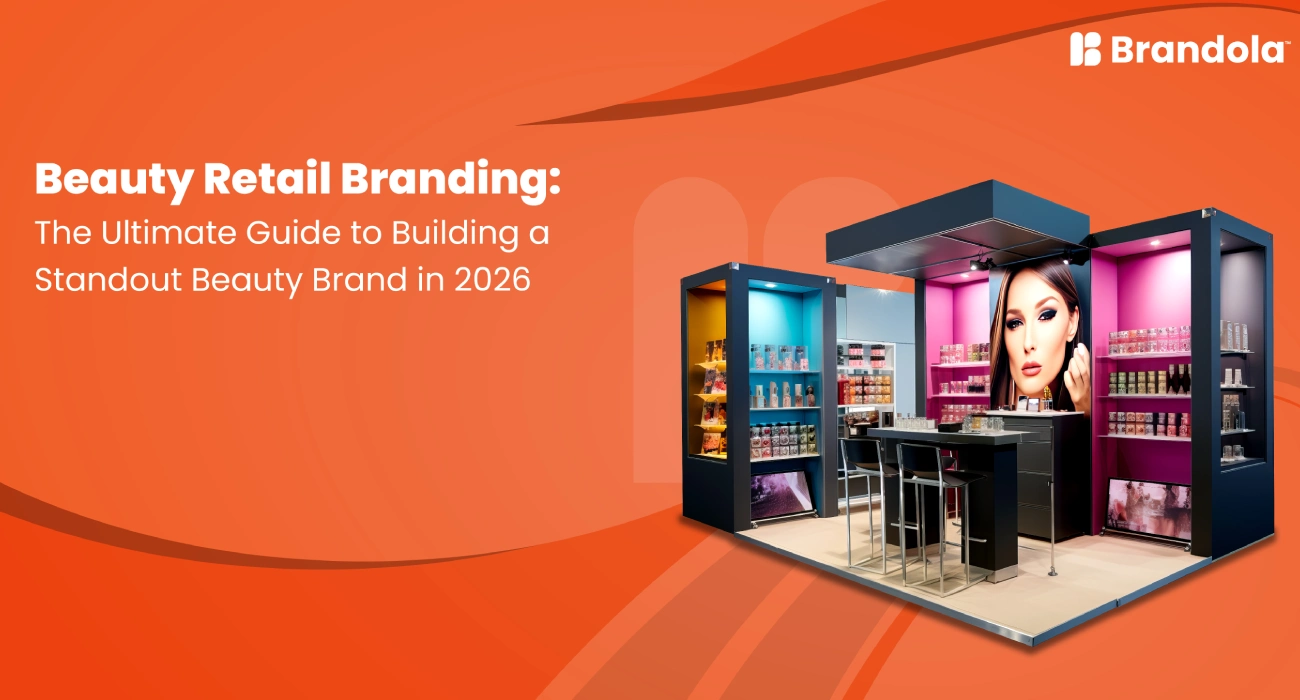

Beauty Retail Branding: The Ultimate Guide to Building a Standout Beauty Brand in 2026
During the last ten years, the beauty retail environment has changed dramatically. The physical store used to dominate the environment. The current consumer experience blends seamlessly together both online and offline. Consumers now find products on Instagram, test them at the store and buy them at various contact points, sometimes all within one day.
The Indian beauty retail market has seen an explosion due to increasing disposable income for Indians, and also as a result of growing awareness of beauty care and global trend influences. As a result of such rapid growth, there is also extreme competition. At this point, Beauty Retail Branding can help; it’s no longer simply about selling products, but creating memorable experiences.
This guide will show you how to develop a compelling Beauty Retail Brand from Visual Identity/ Merchandise to Digital Strategy/ Trends of the Future.
What is Beauty Retail Branding?
Definition and Core Elements
Beauty Retail Branding refers to how a beauty brand experiences its customers through every single point where they can have contact with it (both physical and digital) which include;
- The brand identity: Logo, product packaging, color scheme as well as brand voice.
- The in-store experience: Store design, lighting, product placement as well as atmosphere of the store.
- The brand’s overall digital footprint: Including but limited to; e-commerce site, social media platforms, and marketplace(s).
The sum total of these points create an image of your customer’s interaction with your brand and ultimately their perception of you.
Difference Between Product Branding vs Retail Branding
- Product branding: What you are selling (ingredients, formulation, benefits)
- Retail branding: How you are selling (the store design, the customer experience, the story of the brand)
You can get people to notice your products, and a good retail brand will help convert visitors into customers and then loyal customers.
Why Beauty Retail Branding is Crucial for Success
- Creates immediate emotional connections: A strong retail brand identity will either make someone stop and want to learn more about what you have or not.
- Builds trust in a crowded marketplace: Consistency throughout all marketing efforts of a retailer can give customers confidence in making a purchase at that location.
- Increases impulsive purchases: Products packaging and display can highly elevate impulse purchases.
- Boosts loyalty: Leads to repeat business by offering unforgettable shopping experiences.
Key Elements of a Winning Beauty Retail Brand
1. Visual Identity & Packaging
Your packaging usually represents the first contact you have with your customers.
- Colors & Typography should be in line with your position.
- Strong Shelf Impact; Ensure it stands out.
- Differentiation of Premium (Minimal/Elegant), Affordable (Vibrant/Bold).
2. In-Store Experience & Merchandising
Retail is based on experience. Experience includes:
- Creating an intuitive layout in your stores so that customers can easily find what they want.
- Using Point of Purchase (POP) display to draw attention to important products.
- Providing samples or testers and creating sampling areas to get customers involved.
3. Consistent Omnichannel Presence
Customers expect a seamless journey.
- Align messaging across website, Instagram, and marketplaces
- Maintain consistent visuals and tone
- Ensure pricing and promotions are uniform
4. Brand Storytelling
People don’t just buy products; they buy stories.
- Share your founder’s journey
- Highlight ingredient transparency
- Communicate sustainability efforts
Step-by-Step Guide to Building a Beauty Retail Brand
Step 1: Define Your Brand Positioning
Decide where you stand in the market:
- Luxury
- Clean beauty
- Ayurvedic
- Affordable everyday
Step 2: Identify Your Target Audience
Understand who you’re speaking to:
- Gen Z (trend-driven, social-first)
- Millennials (value + quality)
- Premium buyers (experience-focused)
Step 3: Create a Unique Brand Voice
Your tone should reflect your identity:
- Bold and edgy
- Minimal and sophisticated
- Playful and youthful
- Clinical and science-backed
Step 4: Design Packaging that Sells
Packaging must do more than protect; it must attract.
- Ensure high shelf visibility
- Make it “Instagrammable”
- Balance aesthetics with functionality
Step 5: Build Retail-Ready Displays
Effective displays increase conversions.
- Use modular POP units
- Create dedicated trial zones
- Highlight hero products
Step 6: Optimize Your Digital Storefront
Your Instagram page is your virtual store.
- Maintain a visually cohesive grid
- Use reels for tutorials and demos
- Showcase real customer usage
Retail Merchandising Strategies for Beauty Brands
1. POP Displays that Convert
- Position products at eye level
- Use lighting to enhance visibility
- Apply color psychology to attract attention
2. “Unseen is Unsold” Principle
If customers can’t see it, they won’t buy it.
- Avoid clutter
- Highlight key SKUs
- Rotate displays regularly
3. Product Testing Zones
Sampling significantly increases conversions.
- Offer testers for makeup and skincare
- Ensure hygiene and accessibility
- Train staff to guide customers
4. Seasonal & Trend-Based Displays
Adapt to occasions and trends.
- Festive themes (Diwali, weddings)
- Seasonal skincare needs
- Trending product categories
5. Modular & Scalable Store Design
Design for flexibility.
- Adapt displays for different store sizes
- Ensure easy setup and relocation
- Maintain brand consistency across formats
Digital & Social Media Strategies for Beauty Retail Branding
Instagram as Your Digital Storefront
- Maintain consistent visual aesthetics
- Use reels for tutorials and transformations
- Highlight product benefits in action
Influencer & Creator Collaborations
- Micro influencers for niche engagement
- Macro influencers for reach
- Focus on authenticity over vanity metrics
Content Marketing & Storytelling
- Share skincare routines and tutorials
- Encourage user-generated content (UGC)
- Educate customers about ingredients
Community Building
- Launch loyalty programs
- Encourage reviews and testimonials
- Engage through comments and DMs
Brandola – Innovative Retail Branding Solutions
Brandola is a forward-thinking retail branding partner that helps businesses transform physical spaces into powerful brand experiences. Specializing in in-store branding for beauty and lifestyle brands, Brandola combines creative design, strategic planning, and cutting-edge visual merchandising to create environments that attract, engage, and convert customers. From eye-catching displays and signage to immersive store layouts, the company focuses on delivering cohesive brand storytelling at every touchpoint. By blending innovation with consumer insights, Brandola enables brands to stand out in competitive retail spaces while driving footfall, enhancing customer experience, and ultimately boosting sales.
Fenty Beauty – Inclusivity as a Brand Strategy
Fenty Beauty has changed the way companies market and sell beauty products. They created an incredibly diverse shade palette for makeup and created a strong retail presence. Their success shows that including all people in your advertising will help you build loyalty with those consumers.
e.l.f. Cosmetics – Digital-First Retail Branding
Utilized TikTok and Social Media in building a huge audience and maintained the affordability of the brand.
Indian Example – Nykaa / Sugar Cosmetics / Mamaearth
Indian brands have successfully localized global strategies.
- Strong omnichannel presence
- Regional marketing
- Focus on accessibility and trust
Common Mistakes in Beauty Retail Branding
- Inconsistent branding across channels
- Poor in-store visibility
- Ignoring digital platforms
- Overcrowded displays that confuse customers
Future Trends in Beauty Retail Branding (2026 & Beyond)
- AI-powered personalization: Tailored product recommendations
- Sustainable packaging: Eco-conscious materials and refill systems
- Phygital retail: Blending online and offline experiences
- Clean beauty: Transparency and ingredient safety
- Experiential stores: Interactive and immersive environments
Actionable Checklist for Beauty Retail Branding
- Define clear brand positioning
- Maintain consistent visual identity
- Invest in packaging design
- Optimize in-store merchandising
- Build a strong Instagram presence
- Use influencers strategically
- Create engaging content
- Offer product testing experiences
- Monitor customer feedback
- Adapt to trends and seasons
Frequently Asked Questions (FAQs)
It’s how you create an entire shopping experience that includes purchasing beauty products, and it can happen online or offline.
You could be using beautiful display fixtures and demonstrations of products, with very interesting store layouts and good visual merchandising to make your customers want to buy from you.
The way you package a product has a lot to do with what people will think about when they see the packaging for the first time. The packaging also represents who you are as a company and how that relates to how much money people will spend on your product.
Very important. Online storefronts are a customer’s initial introduction to your company, the first place they will discover many new products and services you offer, and their primary means of interacting with your business.
Conclusion: FMCG Success Starts on the Shelf
Retailers of beauty products have a lot to offer beyond their product offerings. A well-designed retail brand creates an overall identity or brand image by using the same style of packaging and store design as on the retailer’s social media outlets and through storytelling techniques. With the expertise of Brandola, businesses can build cohesive and impactful retail experiences that strengthen brand presence. To compete with other retailers of beauty products, a retailer needs to create a unique retail brand so that it can develop lasting relationships with customers.